How Chowdeck Is Building for the Realities of African Markets
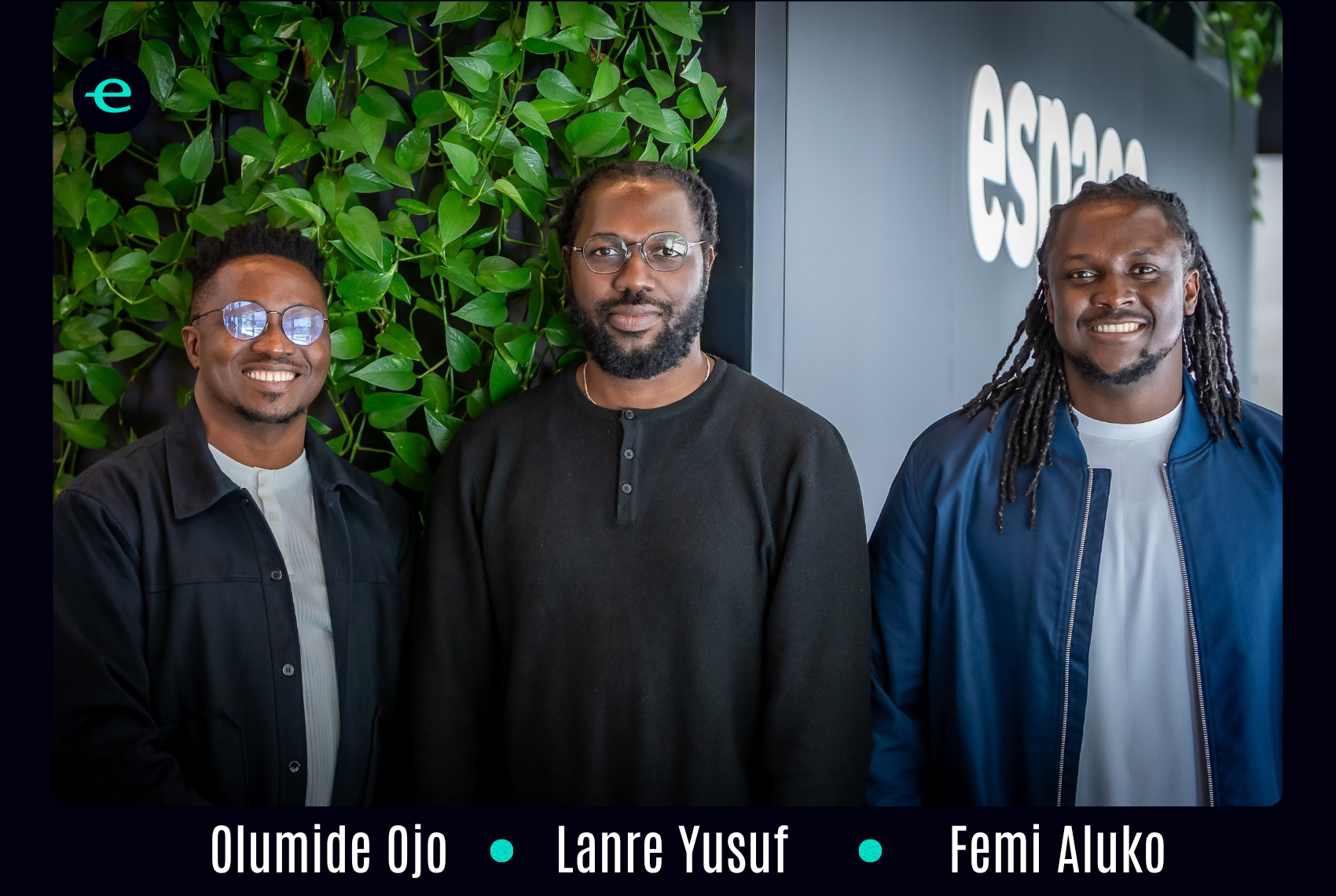
Femi Aluko did not set out to build a food delivery company.
In early 2021, while quarantining in Lagos after testing positive for COVID-19, Femi spent hours trying to get food delivered. The experience was frustrating, expensive and unreliable. Around the same time, he was seeing how quickly and seamlessly deliveries worked in places like Dubai. The contrast raised a question: why was reliable, on-demand delivery so difficult to make work in Lagos?
The more Femi looked into it, the more he realised that the problem was bigger than food delivery. It was a logistics problem, and one that required a different approach to how technology, riders, merchants and operations worked together.
That became the starting point for Chowdeck.
Femi brought in Olumide Ojo and Lanre Yusuf, both engineers with experience building technology systems. Femi and Olumide had previously worked as principal engineers at Paystack, while Lanre had been an engineering lead at Crown Interactive. Together, they began building Chowdeck around a simple premise: if on-demand delivery was going to work in African markets, the underlying operational infrastructure had to be designed for those markets.
They started with three motorbikes, three riders and two restaurants in Ikeja and Yaba.
Five years later, that small operation has grown into a technology and logistics company serving consumers and businesses across Nigeria and Ghana. Chowdeck now operates in 14 cities, with more than 800,000 active customers, nearly 9,000 vendors and approximately 8,000 riders, processing around 1.2 million orders each month.
But the story of Chowdeck is not simply one of scaling a delivery platform. It is a story about what happens when founders build around the realities of a market rather than trying to transplant a model from somewhere else.
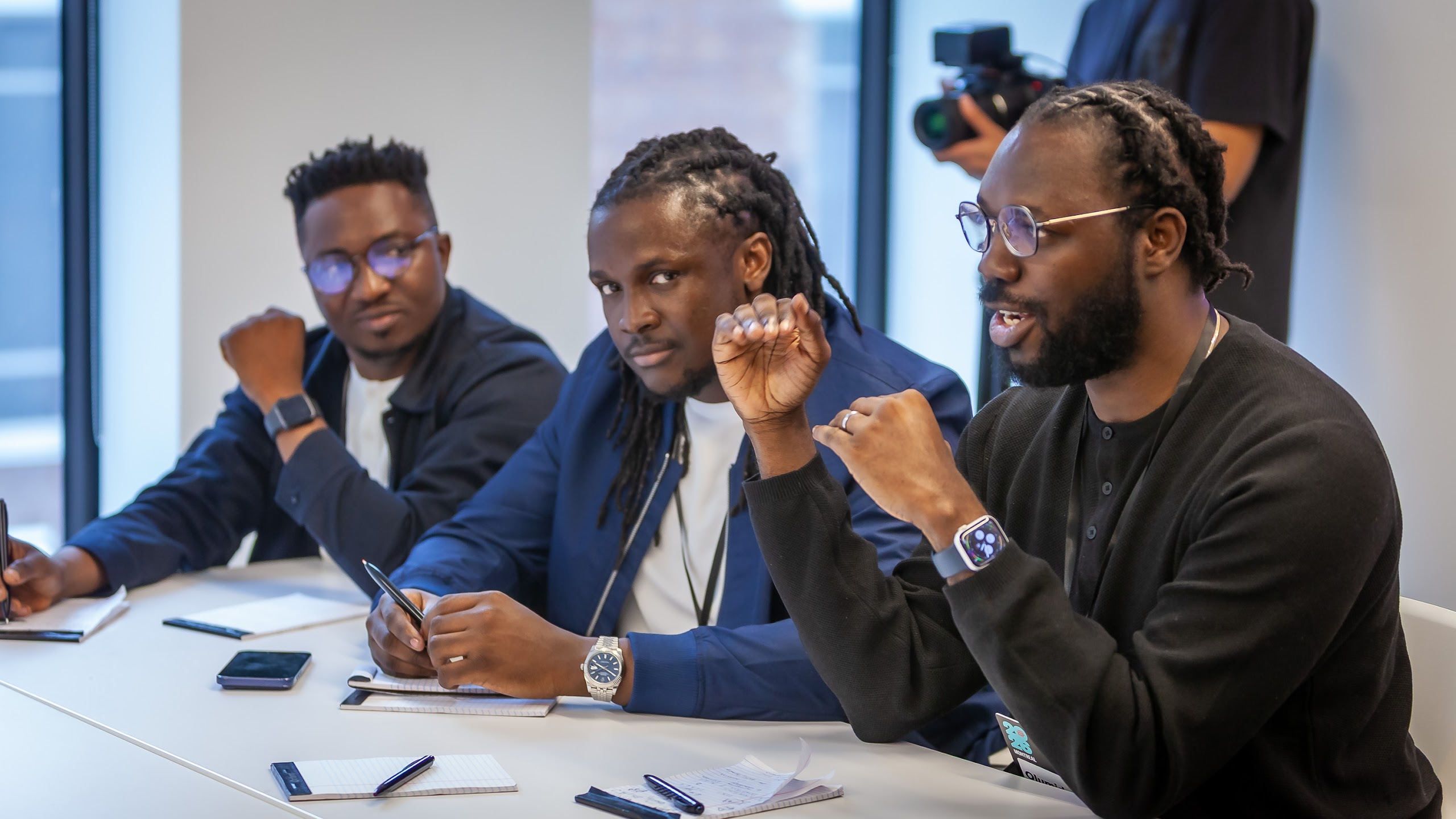
Building for the Market in Front of You
From the beginning, the founders discovered that the hardest part of delivery was not necessarily the technology.
The technology had to work, but so did everything around it: rider availability, routes, supply and demand, merchant operations and the economics of moving goods from one place to another. As Chowdeck grew, the founders continued to work through those problems at an operational level, adapting the business to the conditions of each market.
For Co-Founder and CTO Olumide Ojo, one of the biggest lessons has been that local conditions cannot be treated as exceptions to the way a product is designed.
“The biggest lesson is that you can't treat the local environment as an edge case. Things other markets treat as rare, like patchy connectivity, a failed card payment, or an address that doesn't exist on a map, happen every day in Africa and we decided to design for these things from the jump.”
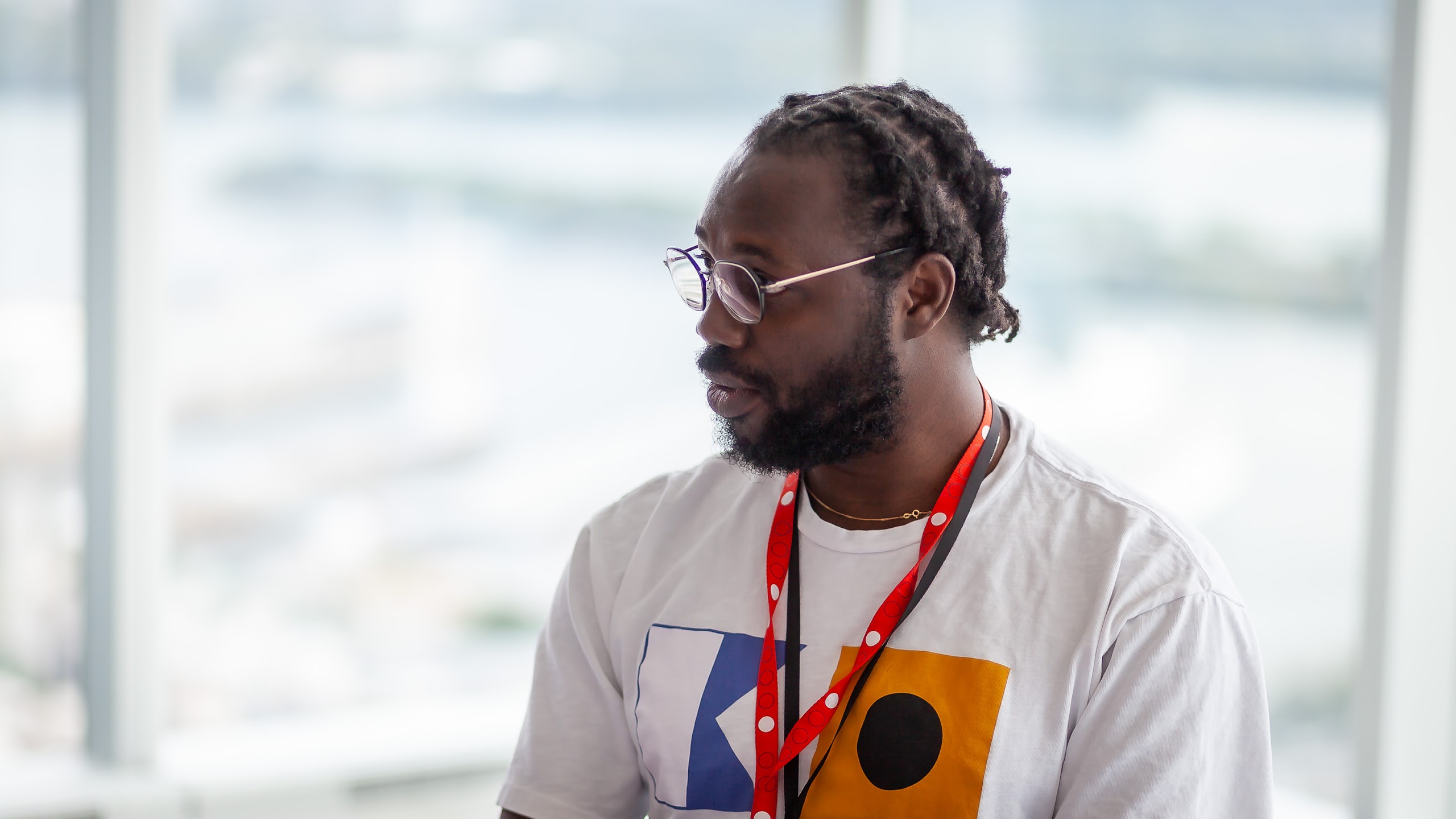
He points to the way people navigate Lagos as an example. Directions such as “the blue gate after the filling station” are common delivery instructions, yet they do not fit neatly into systems built around precise, mapped addresses. Chowdeck has had to account for how people actually describe locations and the local knowledge riders bring to their work.
Payments present similar challenges. Customers use cards, bank transfers, USSD and wallets, and the platform has to account for transactions that fail partway through. Meanwhile, infrastructure costs are often priced in dollars while revenue comes in naira, making efficiency an essential part of the company's engineering decisions.
As Olumide explains, “technology here only works when it's tied closely to operations. Engineers at Chowdeck spend time with vendors and riders, because the hard problems usually sit where software meets the street.”
That approach has shaped the company's culture: solve the problem in front of you, for the people in front of you, rather than importing solutions built for another market. Olumide believes that designing for these conditions has also helped Chowdeck build resilient systems that can support its expansion across Africa.
The founders' approach stood out during Endeavor's selection process.
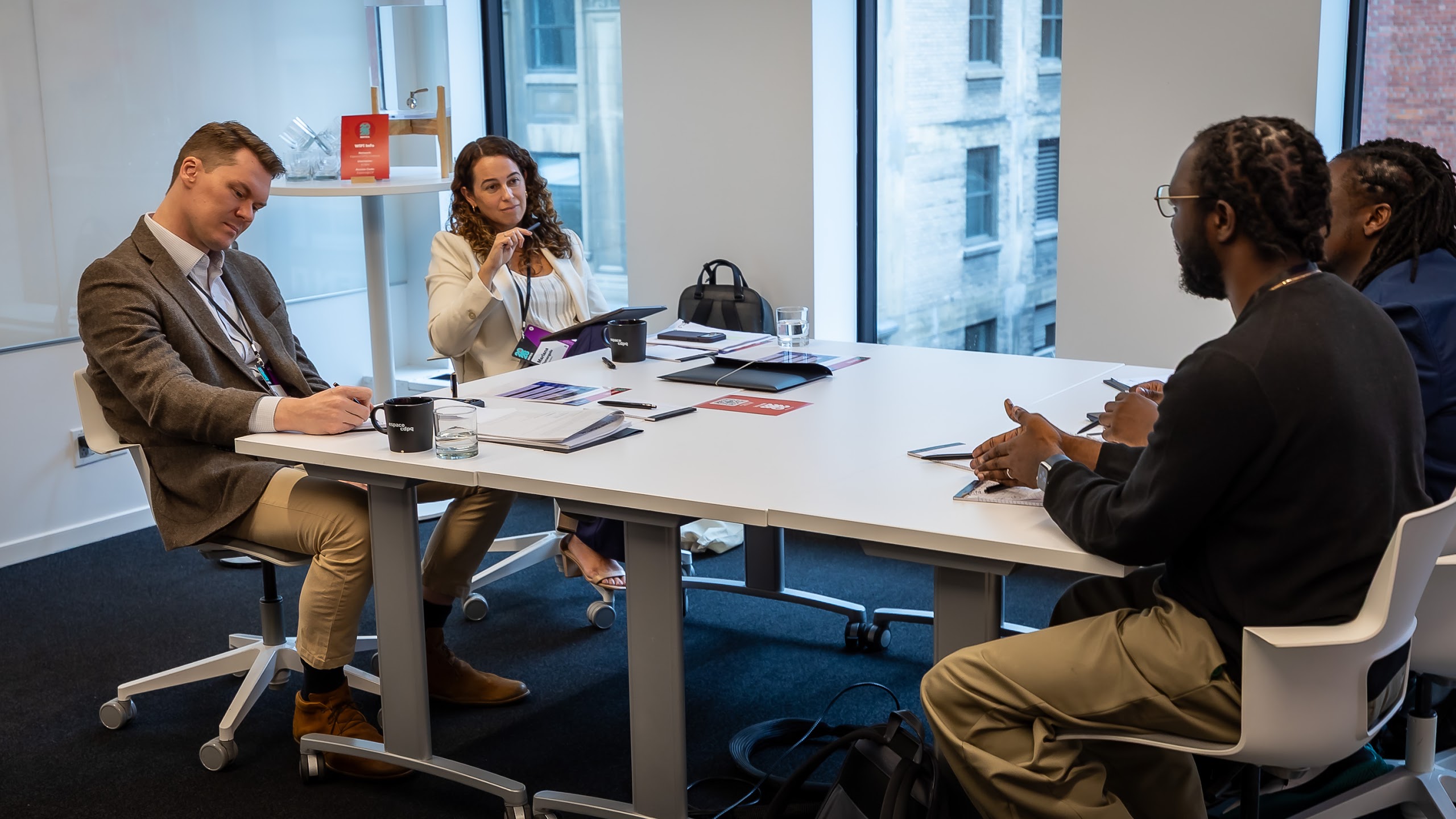
At the Regional Selection Panel, Tauriq Keraan, Endeavor Entrepreneur and Group Chief People Officer at Tyme Bank, highlighted their hands-on approach to the business, their creativity and resilience in solving difficult problems, their understanding of the economics of the operation and their openness to advice.
Deepankar Rustagi, Endeavor Entrepreneur and Founder & CEO of OmniRetail, described the founders as demonstrating “exceptional execution capabilities, strong technical expertise, and a deep understanding of the market they operate in.”
For Lars Veul, Endeavor Entrepreneur and Founder & CEO of Pargo, the founders' technical depth was equally notable. He described all three as strong technical founders who had built a business in a space where others had struggled, while highlighting their humility and openness to feedback.
More Than Food Delivery
As Chowdeck grew, the opportunity in front of the founders became broader than delivering meals.
The company expanded into groceries and quick commerce, parcel delivery through Relay, merchant solutions, advertising and other services. Its platform now connects consumers with restaurants, grocery providers and other vendors, while giving businesses tools to reach customers and manage parts of their operations.
The company also expanded beyond Nigeria, launching in Ghana in May 2025.
The evolution reflects a broader view of the problem the founders are solving. Food may have been the entry point, but the underlying opportunity is the infrastructure required to move goods and services efficiently between businesses and consumers.
That infrastructure has to work across different markets, cities and operating conditions. It has to accommodate the realities of African commerce, where the last mile can be complex and where the systems supporting delivery cannot simply be assumed to exist.
It is this complexity that makes Chowdeck's journey particularly relevant to Endeavor's broader view of where high-impact entrepreneurship is being built.
A Business Built Elsewhere
Endeavor's Elsewhere narrative recognises that significant entrepreneurial talent and innovation are being built far beyond the traditional centres of technology and venture capital.
Chowdeck is an example of that idea in practice.
The company is building from Nigeria, for African markets, while addressing a problem with relevance far beyond one country. Its growth has required the founders to understand the nuances of local markets and, at the same time, build systems that can travel across borders.
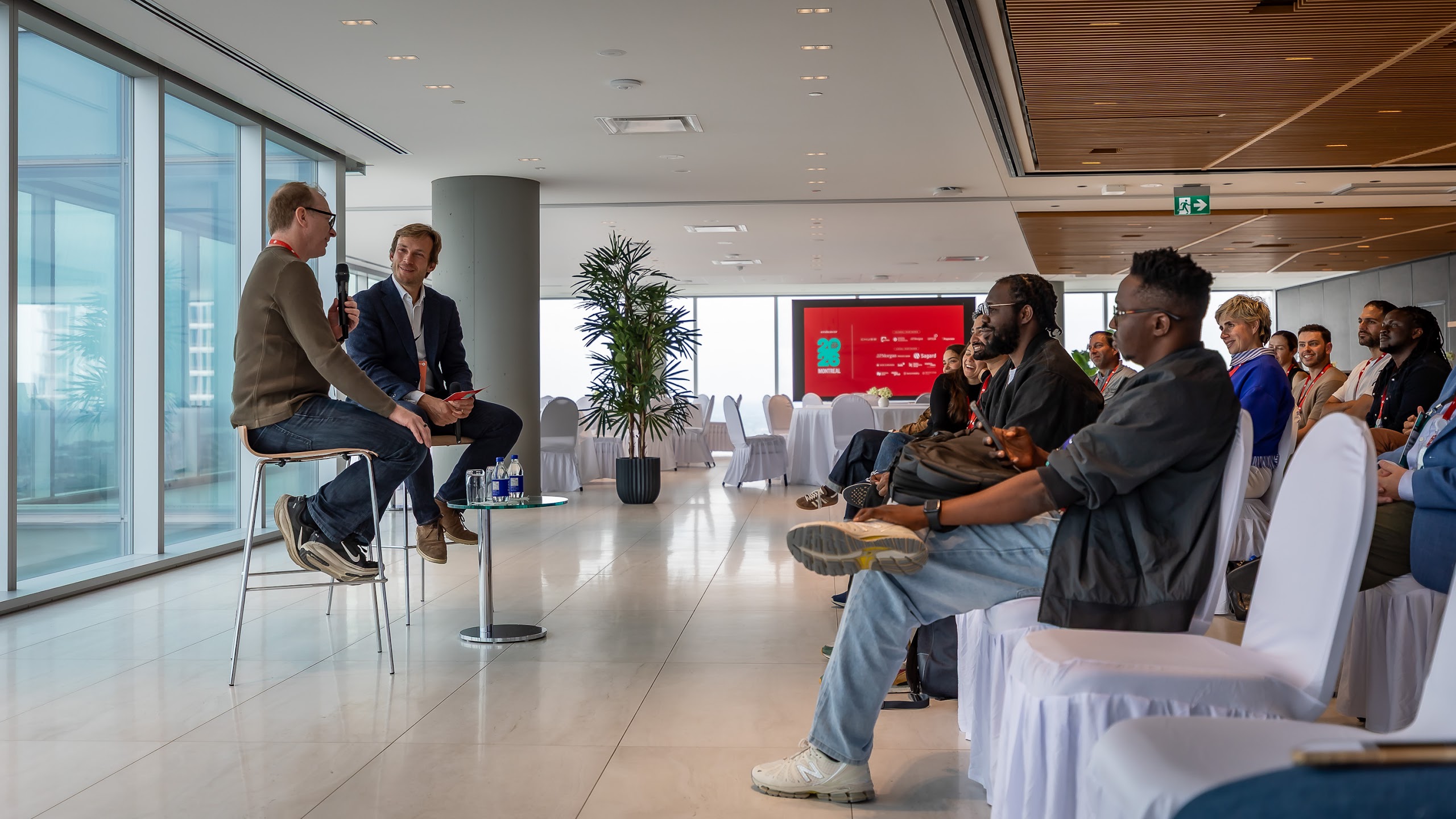
Noah Sebhatleab, Entrepreneur Selection at Endeavor Global, saw this distinction during the selection process. He said Chowdeck stood out because it designs its platform and operations specifically for local African contexts, rather than importing foreign playbooks.
“Chowdeck stands out because it designs its platform and operations specifically for local African contexts, unlike international competitors that try to import foreign playbooks. As a result, while many of these competitors retreat from the continent, Chowdeck continues to scale across it.
“However, as exceptional as Chowdeck’s business is, what impressed the panelists and me the most were the entrepreneurs behind it. Femi, Olumide, and Lanre embody Endeavor at its core, eager to not only absorb all that the network has to offer but pay it forward to Nigeria and the broader African ecosystem. We’re thrilled to welcome them to Endeavor!”
That combination of local understanding and ambition also came through at the International Selection Panel.
Martin Escobari, Endeavor Global Board Member and Co-President and Head of Latin America at General Atlantic, pointed to the founders' track record and financial discipline, describing Chowdeck as a local champion in food delivery across Nigeria and Ghana. He also highlighted the individual strengths of the founding team, describing Femi as inspirational and Olumide as exceptionally smart.
For Patrick McGinnis, Founder and Managing Partner of Dirigo Advisors, the founders' approach was even more fundamental: “These entrepreneurs feel so Endeavor it hurts.”
Three Founders, One Operating System
The business may have started with a delivery problem, but building Chowdeck has required the founders to solve very different problems together.
Femi leads the company as CEO, with Olumide serving as CTO and Lanre as COO. Their different responsibilities reflect the interconnected nature of the business: technology, product, logistics and operations have to move together.
At the International Selection Panel, Alfonso de los Rios, Founder of Nowports and CEO of Handle AI, highlighted Chowdeck's decision to compete in an underserved market and build the infrastructure required to serve it. Mariana Donangelo, a venture investor in the United States, described the founders as sharp, thoughtful and hungry, with a first-principles approach to the business.
Ty Eldridge, Endeavor Entrepreneur and Co-Founder & CEO of Brasol, described the company as demonstrating “pure entrepreneurial spirit” and a clear defensive value proposition, while recognising the significant challenges involved in scaling and maintaining the business profitably.
Those challenges are part of what makes the founders' journey instructive. Building an on-demand commerce company at scale requires constant attention to the details of the operation, even as the ambition becomes larger.
Joining the Endeavor Network
Femi, Olumide and Lanre have joined Endeavor's global network of high-impact entrepreneurs after a selection journey that included Opinion Reviews, the Regional Selection Panel and the International Selection Panel. The process brought them into conversations with entrepreneurs, investors, mentors and business leaders from across the network, who assessed both the business and the people building it.
For Femi, joining Endeavor comes at a stage when the questions facing Chowdeck have changed. The focus is no longer only on proving that customers will trust the company to deliver food on time, but on extending that promise across more cities and countries, building a leadership team for the next stage and making decisions that will stand the test of time.
“The most valuable thing for a founder at this stage is being able to talk to someone who has already solved the problem in front of you,” he says. “Endeavor gives us access to exactly those people, across Africa and around the world. It’s a network of operators and investors who have done it before and are willing to be honest about what worked and what didn’t.”
For Lanre, the value of that community also lies in the opportunity to help other founders navigate their own journeys.
“I've benefited from people who were willing to take a call, make an introduction, share what worked for them, or even just tell me, 'I've made this mistake before, don't make it too.' So having access to a community like Endeavor is really valuable to me.”
He sees that exchange as something to continue as Chowdeck grows. Having already spent time sharing lessons, discussing challenges and helping other founders think through decisions, he hopes to contribute even more to the Nigerian and wider African entrepreneurial ecosystem.
“A lot of people have been generous with their time and experience with me, so it only feels right to do the same for others.”
That spirit of mutual support is central to Endeavor's model. Entrepreneurs join the network not only to draw on its experience and relationships, but to contribute their own knowledge, networks and resources to the entrepreneurs coming behind them.
For Olumide Onakoya, Endeavor Nigeria's account manager for Chowdeck, the founders' journey through selection demonstrated that they were not simply focused on growing the top line. They were deeply engaged with the operational mechanics of the business and willing to interrogate what needed to change as the company grew. He sees that combination of ambition, self-awareness and execution as a strong fit for the Endeavor network.
Ireayo Oladunjoye, Managing Director and CEO of Endeavor Nigeria, shares that confidence in the founders and the opportunity ahead.
“Chowdeck represents the kind of ambition and execution we are excited to see emerging from Nigeria. Femi, Lanre and Olumide have taken a clear market opportunity and built a business with the ambition, pace and resilience required to scale. Their selection into the Endeavor network reflects both what they have achieved to date and the potential we see. We are proud to welcome Chowdeck to Endeavor and to support the founders as they continue building a company with the potential to shape not just the future of food and e-commerce in Nigeria, but the broader African technology ecosystem.”
With Femi, Olumide and Lanre now part of the Endeavor network, Endeavor Nigeria looks forward to connecting them with entrepreneurs, mentors, investors and global relationships that can help them think bigger, scale faster and build across Africa and beyond.
Chowdeck began with three motorbikes, three riders and two restaurants, built by a founder who had struggled to get a meal delivered in Lagos. Five years on, it moves around 1.2 million orders a month across 14 cities in Nigeria and Ghana. Femi, Olumide and Lanre now bring that experience into a network built on learning from those who have gone before and paying it forward to those who come after. What comes next is the chance to take the solutions they built for one market to a much wider Africa, and to share what they learn along the way with the next generation of African founders.
Selection Journey
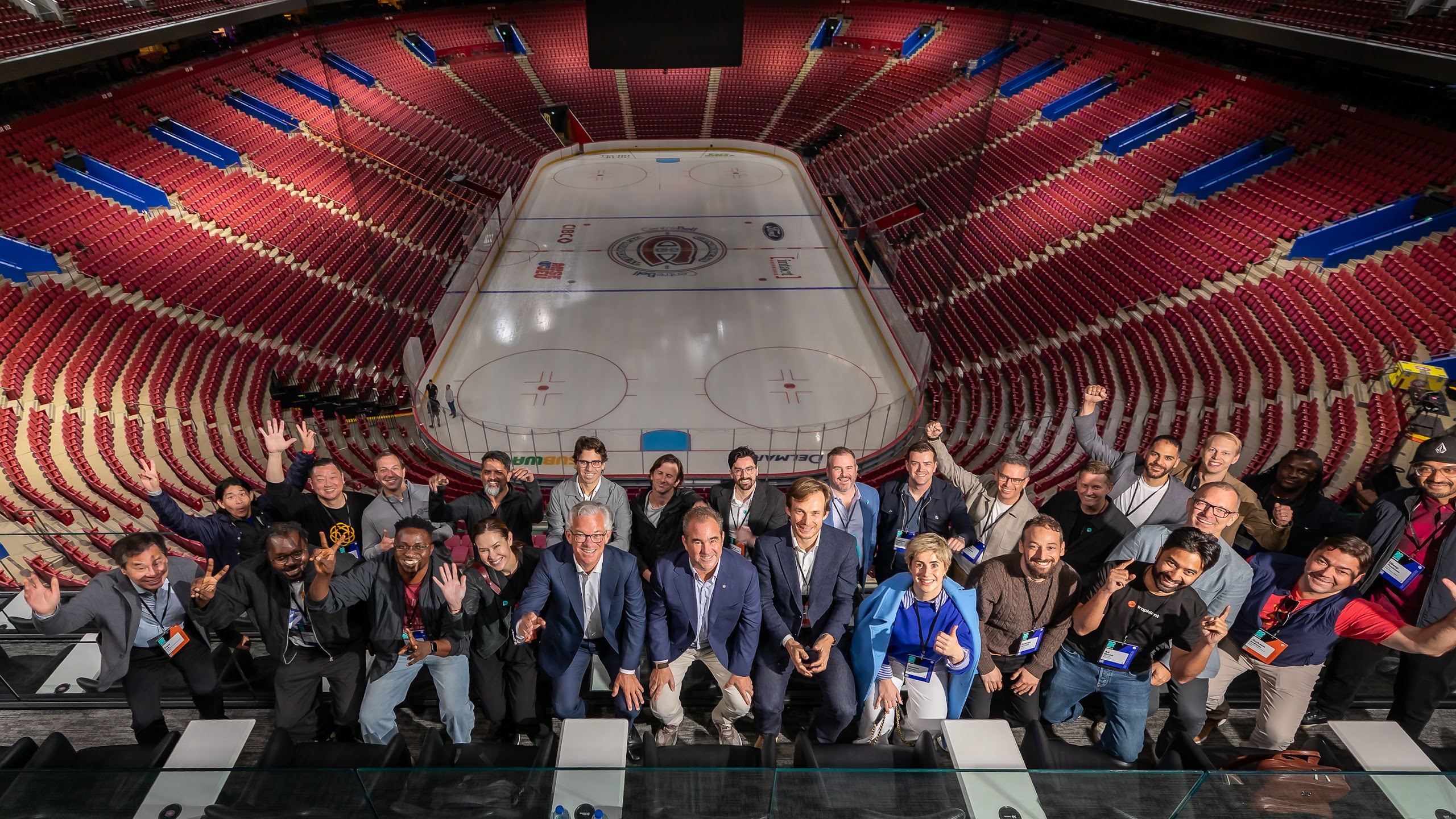
Chowdeck's selection into the Endeavor network followed a process that included Opinion Reviews, the Regional Selection Panel and the International Selection Panel. The following Endeavor entrepreneurs, mentors, investors and business leaders participated in the selection journey:
Opinion Reviews
- Pedro NeiraEndeavor Mentor, Founder & CEO, Construct AI
- Mostafa AminEndeavor Entrepreneur, CEO, Breadfast
- Moayed AlmoayedEndeavor Mentor, Investor, Partner, Pinnacle Capital
- Adetayo BamiduroEndeavor Entrepreneur, Co-Founder & CEO, Max
Regional Selection Panel
- Tauriq KeraanEndeavor Entrepreneur, Group Chief People Officer, Tyme Bank
- Deepankar RustagiEndeavor Entrepreneur, Founder & CEO, OmniRetail
- Lars VeulEndeavor Entrepreneur, Founder & CEO, Pargo
- Ngetha WaithakaEndeavor Mentor, General Partner, Norrsken22
- Cikü MugambiEndeavor Mentor, Investment Director, DOB Equity
- Dennis MarketosEndeavor Alumni, Co-Founder, Metrix Software Solutions
International Selection Panel
- Alfonso de los RiosEndeavor Entrepreneur, Founder, Nowports; CEO, Handle AI
- Mariana DonangeloVenture Investor, United States
- Ty EldridgeEndeavor Entrepreneur, Co-Founder & CEO, Brasol
- Martin EscobariEndeavor Global Board Member, Co-President & Head of Latin America, General Atlantic
- Patrick McGinnisFounder & Managing Partner, Dirigo Advisors
- Susan AndersonEndeavor Canada Board Chair, Managing Partner, Cannonball Capital